


Blog list
Family Vision Associates Blog
Learn more about optometrist care in our blog!
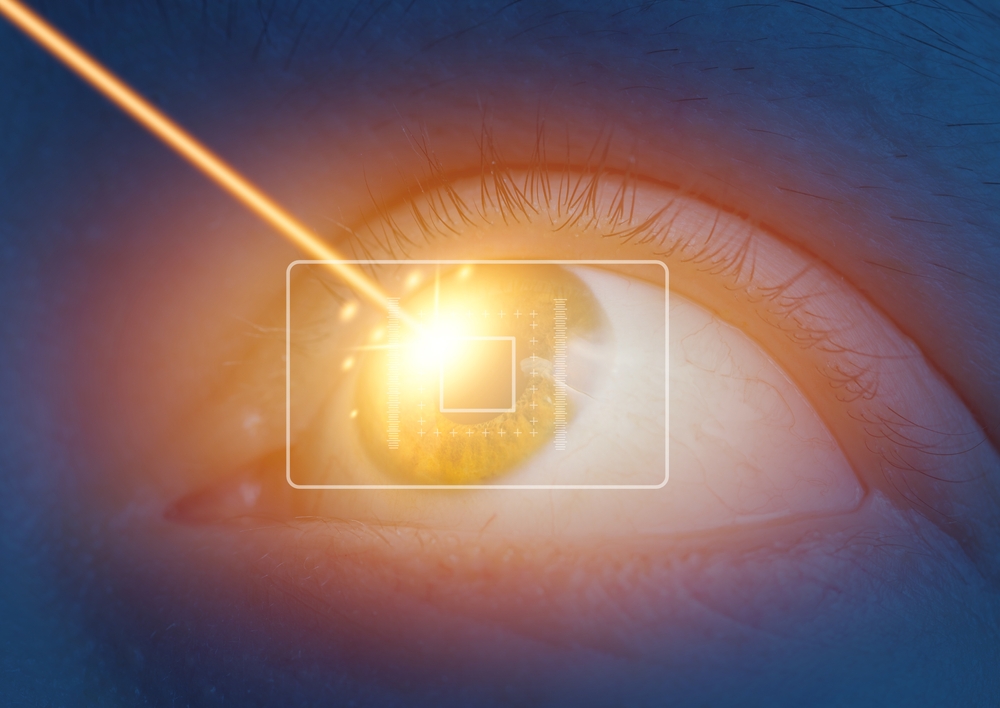
LASIK can be an excellent option for many people who want less dependence on glasses or contact lenses, but not everyone is automatically a candidate. LASIK eligibility depends on several factors, including your prescription, corneal health, eye stability, tear film, and overall eye health. At Family Vision Associates, we help patients in Parsippany understand whether LASIK may be a safe and realistic option for their vision needs.

Your baby’s vision develops quickly in the first year of life. While infants do not see as clearly as older children or adults right away, their eyes and visual system begin learning from the start. Understanding infant vision milestones can help parents know what is typical, what may need closer attention, and when regular pediatric eye exams matter.
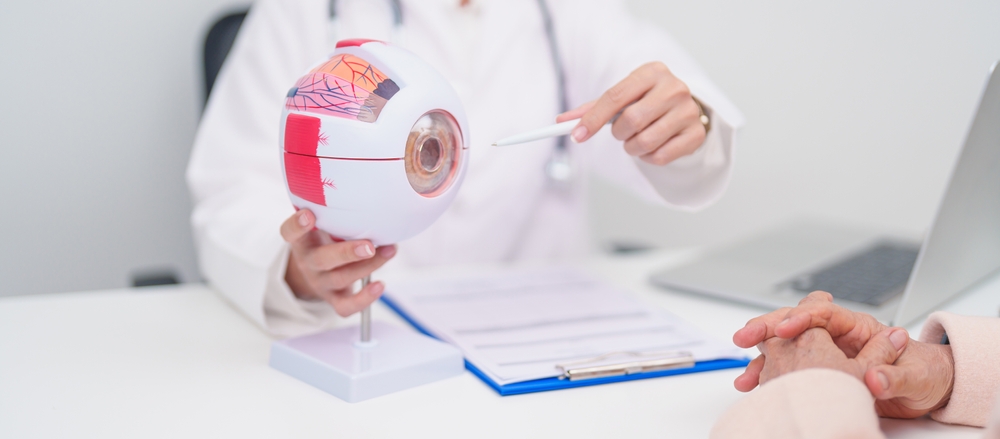
Many common eye diseases develop gradually, which means changes in vision can be easy to overlook at first. At Family Vision Associates, we encourage patients to stay proactive because early diagnosis often gives us more options for protecting long-term vision. Conditions like macular degeneration, cataracts, glaucoma, and diabetic eye disease may not cause obvious symptoms right away, but they can still affect eye health over time.
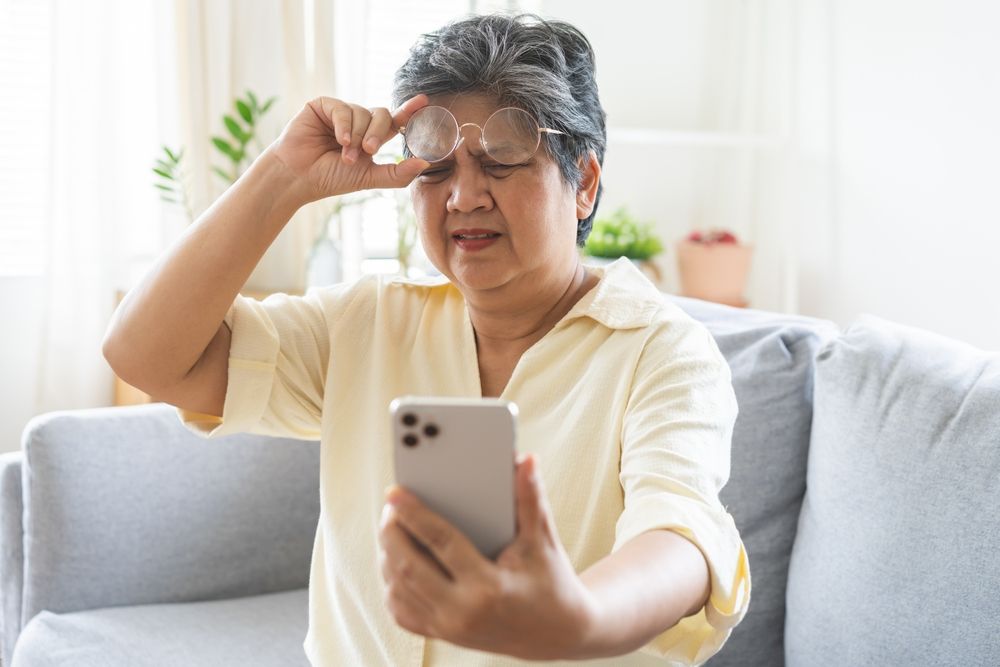
If you’ve noticed yourself holding reading material farther away, struggling to see small print, or experiencing eye strain during close-up tasks, you may be developing presbyopia. This common age-related vision change affects nearly everyone at some point, but the good news is that it’s manageable with the right care and guidance.
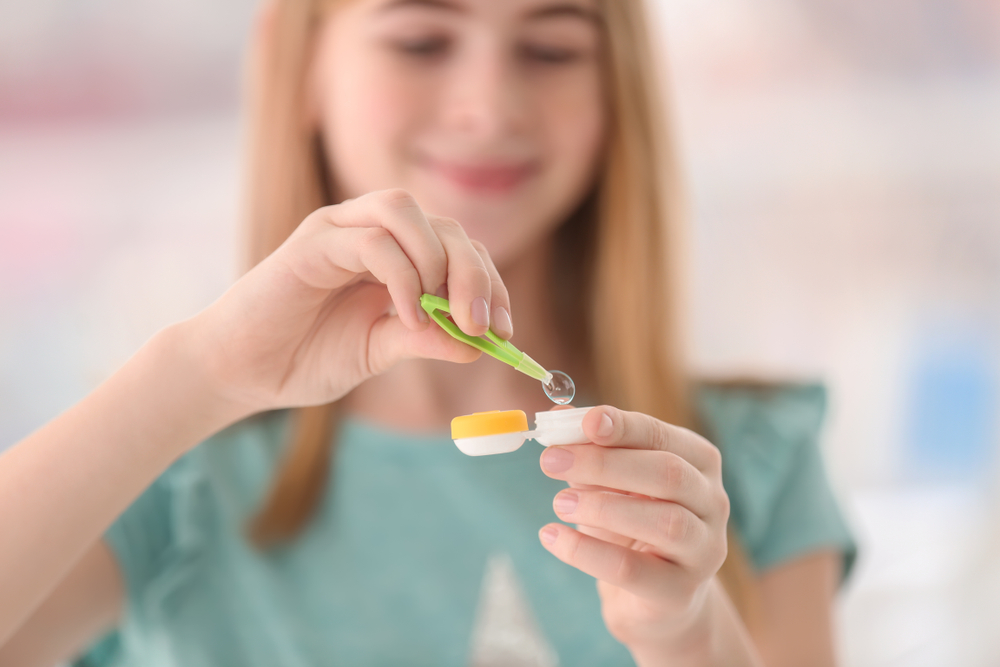
For many teens, contact lenses can be an exciting step toward greater independence and confidence. Whether they’re playing sports, preparing for school events, or simply wanting an alternative to glasses, contacts can offer flexibility and convenience. However, choosing the right contact lenses for teens requires careful consideration of eye health, lifestyle, and responsibility.
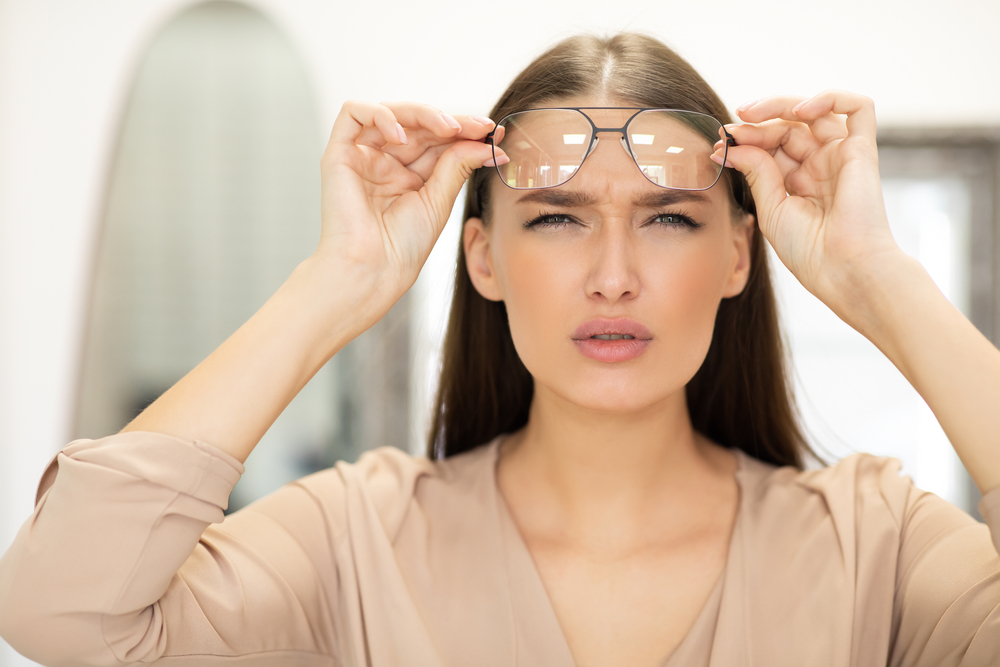
Myopia is one of the most common vision problems in children today and it’s becoming more prevalent every year. While glasses can help correct blurry distance vision, they do not address the underlying issue: the progression of myopia itself. That’s why many parents are turning to specialized myopia management in Parsippany to protect their child’s long-term eye health.
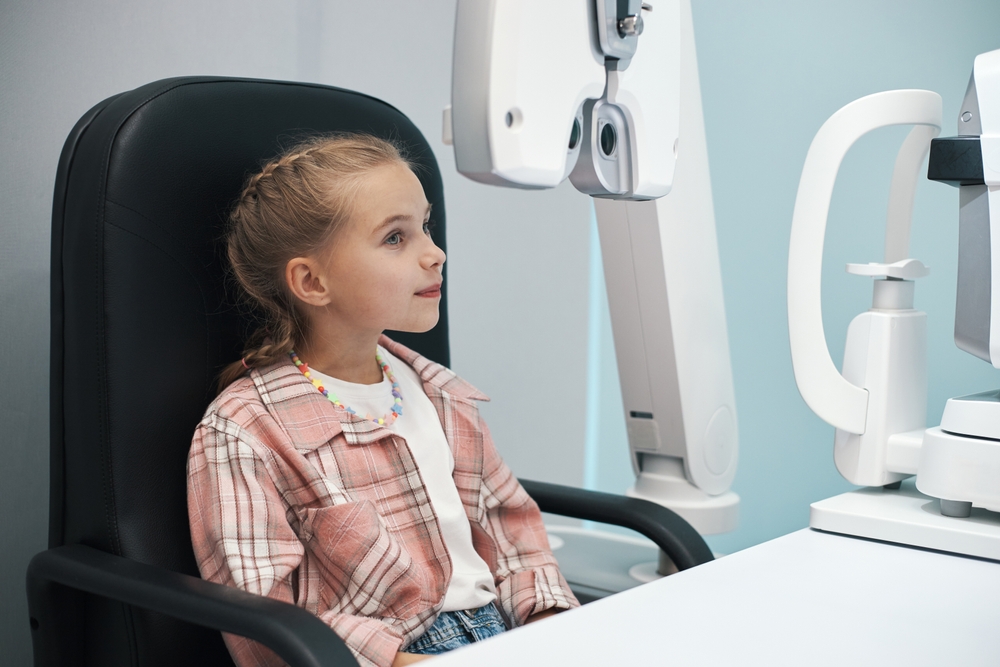
For decades, glasses and contact lenses have been the go-to solutions for correcting vision. While they remain effective and essential for many patients, modern eye care has evolved far beyond these traditional options. Today’s advancements allow eye doctors to diagnose, manage, and even slow the progression of a wide range of eye conditions.

Most people experience some degree of eye dryness at one time or another - especially after a long day staring at a screen, spending time in air-conditioned environments, or being outdoors in windy weather. While occasional dryness is normal, persistent symptoms could indicate a more serious condition known as chronic dry eye disease. Recognizing the difference between the two can help you determine when it’s time to seek professional care.
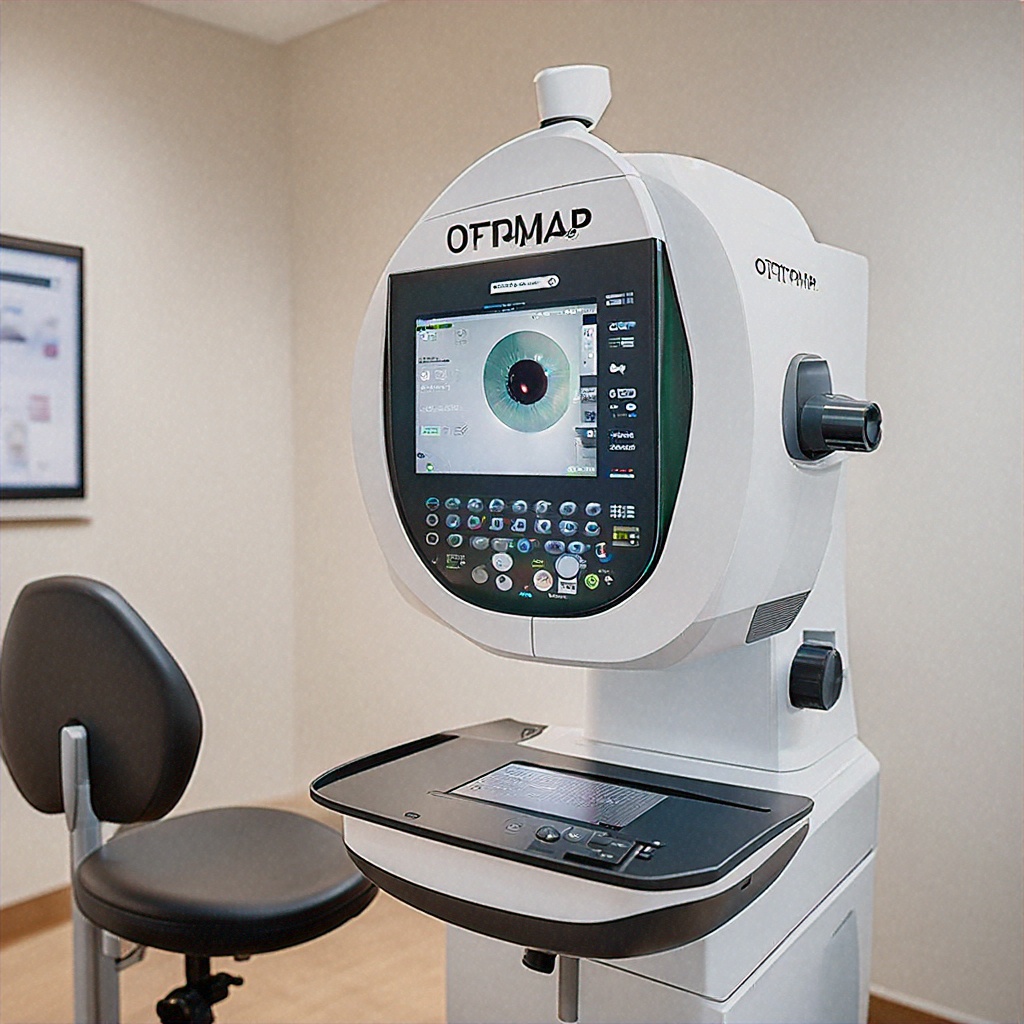
When it comes to protecting your vision, early detection is key. Traditional eye exams are effective, but they often provide only a limited view of the retina. That’s where the Optomap® retinal exam stands out - it gives doctors an ultra-widefield image of the retina in seconds, revealing potential eye and health concerns that other exams might miss.
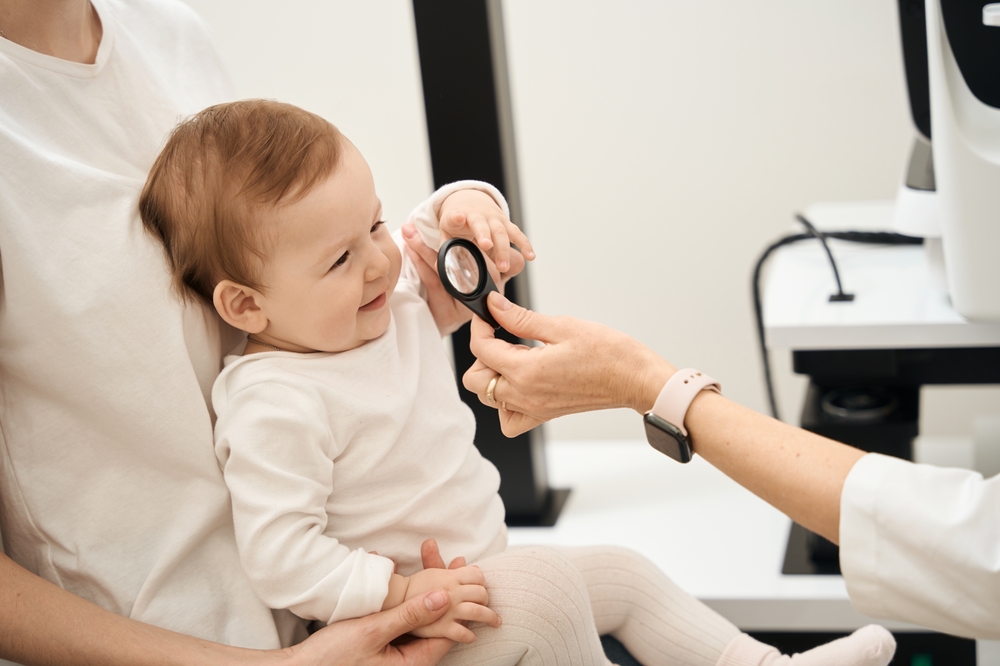
From the moment your baby is born, their eyes begin playing a critical role in learning and development. Vision guides how infants interact with the world - helping them recognize faces, explore their environment, and eventually develop essential skills like hand-eye coordination and depth perception. But because infants can’t communicate what they see, it can be difficult for parents to know whether their child’s vision is developing as it should.


Call Us Today: (973) 386-0111
- Monday 9:00am - 6:30pm
- Tuesday 9:00am - 6:30pm
- Wednesday 9:00am -12:00pm
- Thursday 9:00am - 5:30pm
- Friday 9:00am - 4:00pm
- Saturday Closed
- Sunday Closed
Closed for lunch from 1:00pm - 2:00pm everyday
© 2026 Family Vision Associates | All rights Reserved. Accessibility Statement - Privacy Policy - Sitemap
Powered by:
