


Age-Related Vision Changes: Presbyopia & How to Manage It
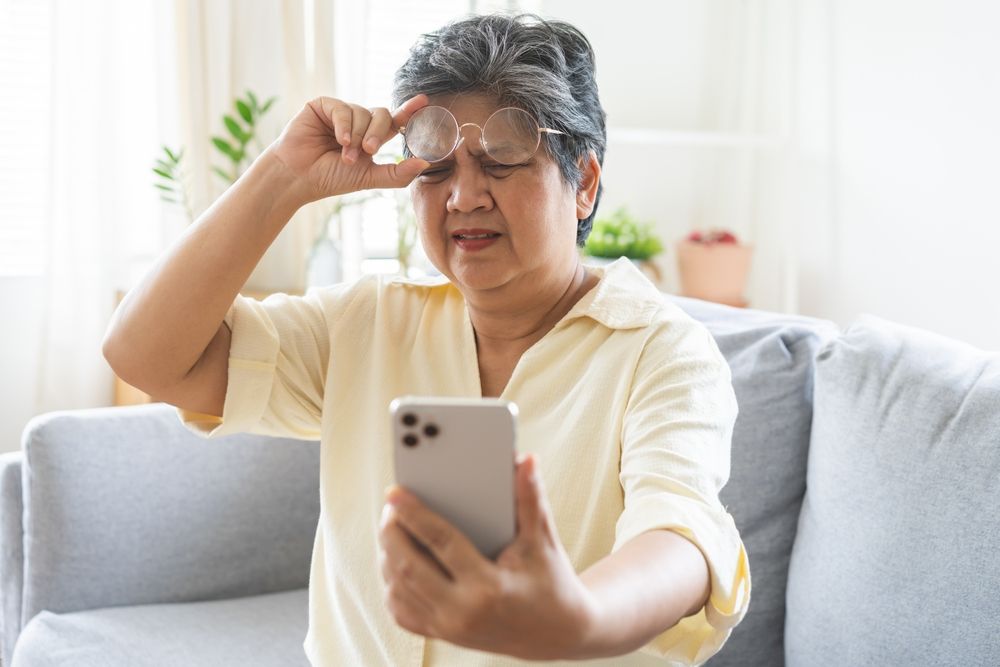
If you’ve noticed yourself holding reading material farther away, struggling to see small print, or experiencing eye strain during close-up tasks, you may be developing presbyopia. This common age-related vision change affects nearly everyone at some point, but the good news is that it’s manageable with the right care and guidance. At Family Vision Associates, we provide personalized solutions to keep life clear and comfortable.
What Is Presbyopia?
Presbyopia is a gradual loss of the eye’s ability to focus on nearby objects. It typically becomes noticeable in your early to mid-40s and continues to progress until around age 65.
Inside your eye is a natural lens that changes shape to focus on objects at different distances. When you’re young, the lens is flexible and easily adjusts for near tasks like reading or using a smartphone. Over time, however, the lens becomes less elastic. As a result, focusing up close becomes more difficult. Even individuals who have never needed glasses before may find themselves requiring vision correction for near work.
Common Symptoms of Presbyopia
Many people don’t realize presbyopia is developing until everyday activities become frustrating. Common signs include:
• Blurry vision when reading small print
• Difficulty seeing clearly at a normal reading distance
• Holding books, menus, or phones farther away to focus
• Eye strain or headaches after close work
• Increased need for brighter lighting
If these symptoms sound familiar, a comprehensive eye exam can determine whether presbyopia is the cause.
How Presbyopia Is Diagnosed
Diagnosing presbyopia is simple and straightforward. During a comprehensive eye exam, your optometrist will evaluate your visual acuity and assess how well your eyes focus at different distances. This typically includes reading letters or numbers both up close and at a distance.
Your eye doctor will also check for other vision changes or eye health conditions that may affect your sight. Because presbyopia often develops alongside other refractive errors such as nearsightedness or farsightedness, a full exam ensures you receive the most accurate prescription for your needs.
Treatment Options for Presbyopia
Presbyopia can’t be reversed, but it can be effectively managed with the right solution for your lifestyle and eye health. Reading glasses are ideal for those who only need help with close-up tasks.
If you already wear glasses, bifocal or progressive lenses may be recommended. Bifocals correct distance and near vision with two lens powers, while progressives provide a seamless transition between distance, intermediate, and near vision without visible lines.
For contact lens wearers, multifocal contacts offer clear vision at multiple distances. Monovision, which corrects one eye for distance and the other for near, is another option, though it may take time to adjust and isn’t right for everyone.
The Importance of Routine Eye Exams
Because presbyopia develops gradually, many people delay care until symptoms become disruptive. However, routine eye exams are essential not only for updating prescriptions but also for detecting other age-related eye conditions such as glaucoma, cataracts, and macular degeneration. Early detection and proactive management help protect long-term vision and overall eye health.
Find the Right Solution for Your Eyes and Lifestyle
Presbyopia is a natural and expected part of aging, but it doesn’t have to interfere with your daily activities. With today’s advanced vision correction options, you can continue reading, working, and enjoying your favorite hobbies with clarity and comfort.
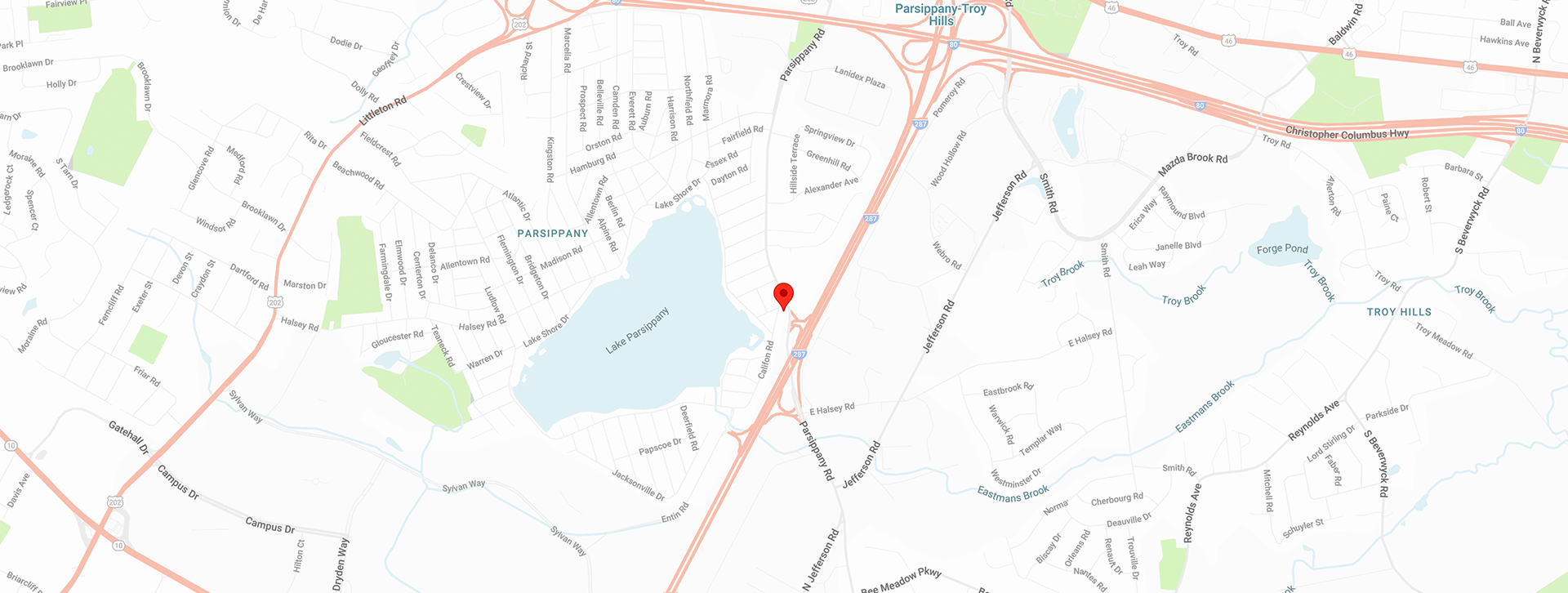
Contact Family Vision Associates to schedule your comprehensive eye exam and discover the best way to manage presbyopia with confidence. Visit our office in Parsippany, New Jersey, or call (973) 386-0111 to book an appointment today.



Call Us Today: (973) 386-0111
- Monday 9:00am - 6:30pm
- Tuesday 9:00am - 6:30pm
- Wednesday 9:00am -12:00pm
- Thursday 9:00am - 5:30pm
- Friday 9:00am - 4:00pm
- Saturday Closed
- Sunday Closed
Closed for lunch from 1:00pm - 2:00pm everyday
© 2026 Family Vision Associates | All rights Reserved. Accessibility Statement - Privacy Policy - Sitemap
Powered by:
