



Infant Vision Milestones: What Should Your Baby See at Each Stage?

Your baby’s vision develops quickly in the first year of life. While infants do not see as clearly as older children or adults right away, their eyes and visual system begin learning from the start. Understanding infant vision milestones can help parents know what is typical, what may need closer attention, and when regular pediatric eye exams matter.
What Babies Usually See in the First Few Months
At birth, babies can detect light, movement, and high-contrast shapes, but their vision is still blurry. During the first two months, they usually focus best on faces and objects held close. By around 2 to 3 months, many babies begin tracking moving objects more smoothly and making better eye contact.
Some variation is normal, but if a baby does not seem to notice faces, follow movement, or open the eyes normally, it may be time for an infant eye exam.
Vision Changes From 4 to 6 Months
Between 4 and 6 months, babies often develop stronger eye coordination and better depth perception. They may reach for toys more accurately and show more interest in colors, faces, and activity across the room. This is also the stage when eye alignment becomes especially important.
If one eye appears to drift inward or outward consistently, that could point to strabismus. Early treatment can support healthy visual development and reduce the risk of long-term vision problems.
What to Watch for By 6 to 12 Months
As babies grow, vision supports crawling, hand-eye coordination, and early exploration. By the second half of the first year, many infants can recognize familiar people from farther away and follow movement with more confidence.
Parents should watch for signs such as:
• Eyes that cross or wander often
• Excessive tearing
• Sensitivity to light
• White reflex in the pupil
• Frequent eye rubbing
• Poor visual attention or delayed tracking
These signs do not always mean a serious issue, but they should be evaluated.
Common Eye Conditions In Infants
Several eye conditions can affect babies early in life. Some of the more common concerns include blocked tear ducts, strabismus, amblyopia risk, refractive errors, and congenital cataracts. In some cases, parents may also notice drooping eyelids or unusual eye movements. Early detection can make a meaningful difference in treatment and visual development.
Why InfantSEE and Pediatric Eye Exams Matter
InfantSEE is designed to provide an early assessment of an infant’s eye health and visual development, usually between 6 and 12 months of age. This visit can help identify concerns before they interfere with learning and development.
Even when everything appears normal, regular pediatric eye exams remain important as your child grows. Vision changes can happen over time, and ongoing care helps us monitor eye teaming, focusing, eye health, and visual milestones through each stage of childhood.
Supporting Healthy Vision From the Start
Parents play an important role by noticing changes, attending recommended visits, and asking questions when something does not seem right. A child may not outgrow every vision problem, and waiting can sometimes make treatment more difficult.
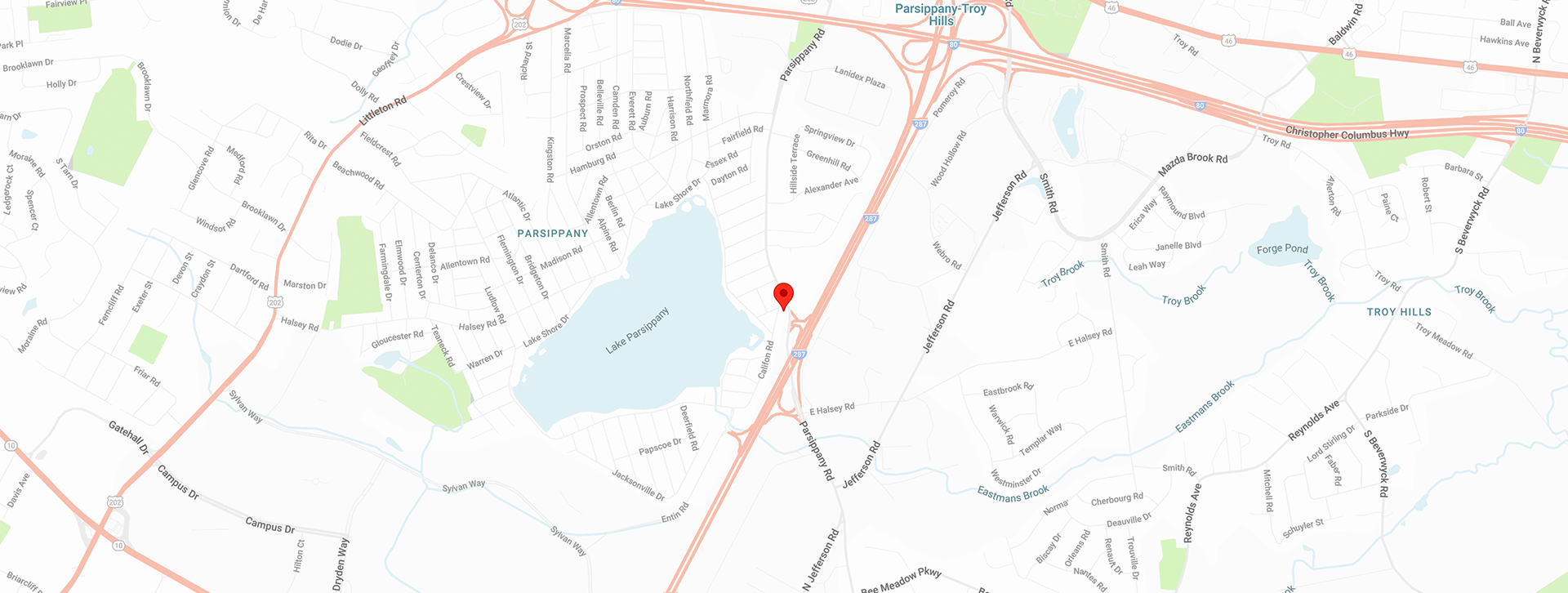
Schedule an infant eye exam or pediatric eye exam at Family Vision Associates to ensure your child’s vision is on track. Visit our office in Parsippany, New Jersey, or call (973) 386-0111 to book an appointment today.




Call Us Today: (973) 386-0111
- Monday 9:00am - 6:30pm
- Tuesday 9:00am - 6:30pm
- Wednesday 9:00am -12:00pm
- Thursday 9:00am - 5:30pm
- Friday 9:00am - 4:00pm
- Saturday Closed
- Sunday Closed
Closed for lunch from 1:00pm - 2:00pm everyday
© 2026 Family Vision Associates | All rights Reserved. Accessibility Statement - Privacy Policy - Sitemap
Powered by:
