


Understanding Common Eye Diseases: Macular Degeneration, Cataracts & More
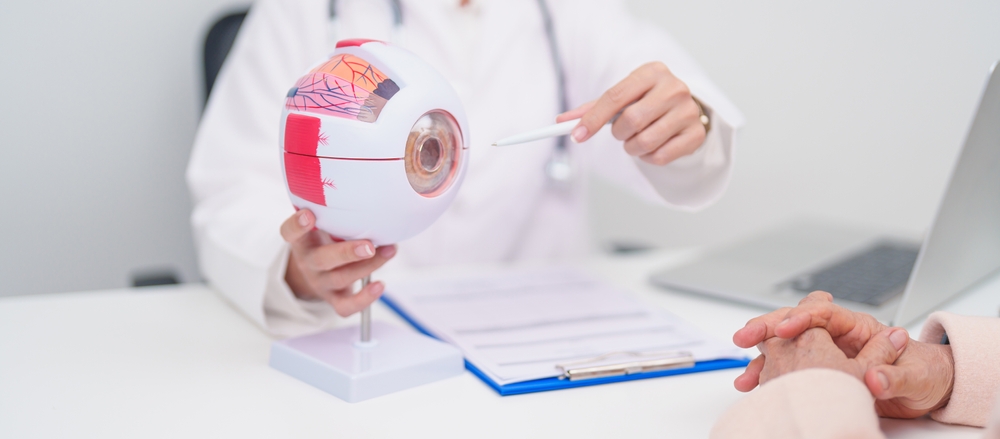
Many common eye diseases develop gradually, which means changes in vision can be easy to overlook at first. At Family Vision Associates, we encourage patients to stay proactive because early diagnosis often gives us more options for protecting long-term vision. Conditions like macular degeneration, cataracts, glaucoma, and diabetic eye disease may not cause obvious symptoms right away, but they can still affect eye health over time.
Macular Degeneration and Central Vision
Macular degeneration affects the macula, the part of the retina responsible for detailed central vision. This condition is more common with age and can make reading, driving, and recognizing faces more difficult. Some patients notice blurred or distorted central vision, while others do not realize anything has changed until the disease has progressed. Regular eye exams help us monitor the retina closely and look for early signs before vision loss becomes more severe.
Cataracts and Cloudy Vision
Cataracts develop when the natural lens of the eye becomes cloudy. This often happens gradually and may cause blurred vision, glare, trouble seeing at night, and colors that seem less vivid. Cataracts are very common, especially as patients get older, but they are also highly manageable. We help patients track changes in lens clarity and determine when cataract treatment or co-management may be appropriate based on daily visual needs.
Other Eye Diseases We Watch For
In addition to macular degeneration and cataracts, we also look for several other serious eye conditions during comprehensive exams, including:
- Glaucoma, which can damage the optic nerve and often has no early warning signs
- Diabetic retinopathy, which can affect retinal blood vessels and vision over time
- Dry eye disease, which can impact comfort, tear quality, and visual clarity
- Retinal changes that may signal broader health or vision concerns
Symptoms You Should Not Ignore
While some eye diseases are silent in the early stages, certain symptoms should always be taken seriously. Sudden blurry vision, distorted vision, floaters, flashes of light, eye pain, or trouble seeing at night all deserve prompt attention. Even gradual changes, such as needing more light to read or feeling like your vision is no longer as sharp as it used to be, can point to an underlying condition that should be evaluated.
How Routine Eye Exams Help Protect Vision
A routine vision screening does not always catch the full picture. At Family Vision Associates, we use comprehensive eye exams to do more than check a prescription. We evaluate the health of the retina, optic nerve, lens, and other important structures so we can identify concerns early and recommend the right next steps. Ongoing care is one of the best ways to protect your sight and maintain healthy vision as your eyes change with age.
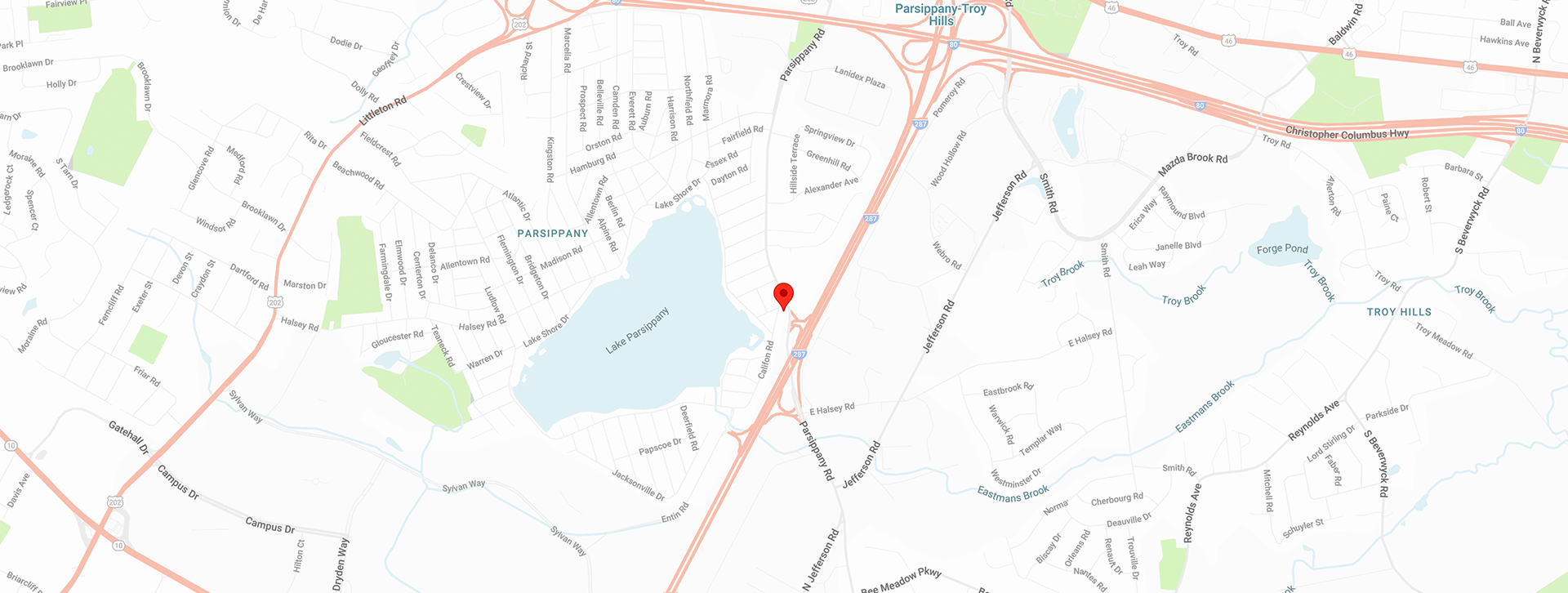
Contact Family Vision Associates in Parsippany, NJ at 415 Parsippany Rd, Parsippany, NJ 07054 by calling (973) 386-0111 to schedule an eye exam and stay ahead of common eye diseases.



Call Us Today: (973) 386-0111
- Monday 9:00am - 6:30pm
- Tuesday 9:00am - 6:30pm
- Wednesday 9:00am -12:00pm
- Thursday 9:00am - 5:30pm
- Friday 9:00am - 4:00pm
- Saturday Closed
- Sunday Closed
Closed for lunch from 1:00pm - 2:00pm everyday
© 2026 Family Vision Associates | All rights Reserved. Accessibility Statement - Privacy Policy - Sitemap
Powered by:
